Balanced Body Website Redesign
Group Project
Balanced Body
29 April 2024
Deni Kalenski, Mila Hristova, Beatrise Jaunite
Project Description
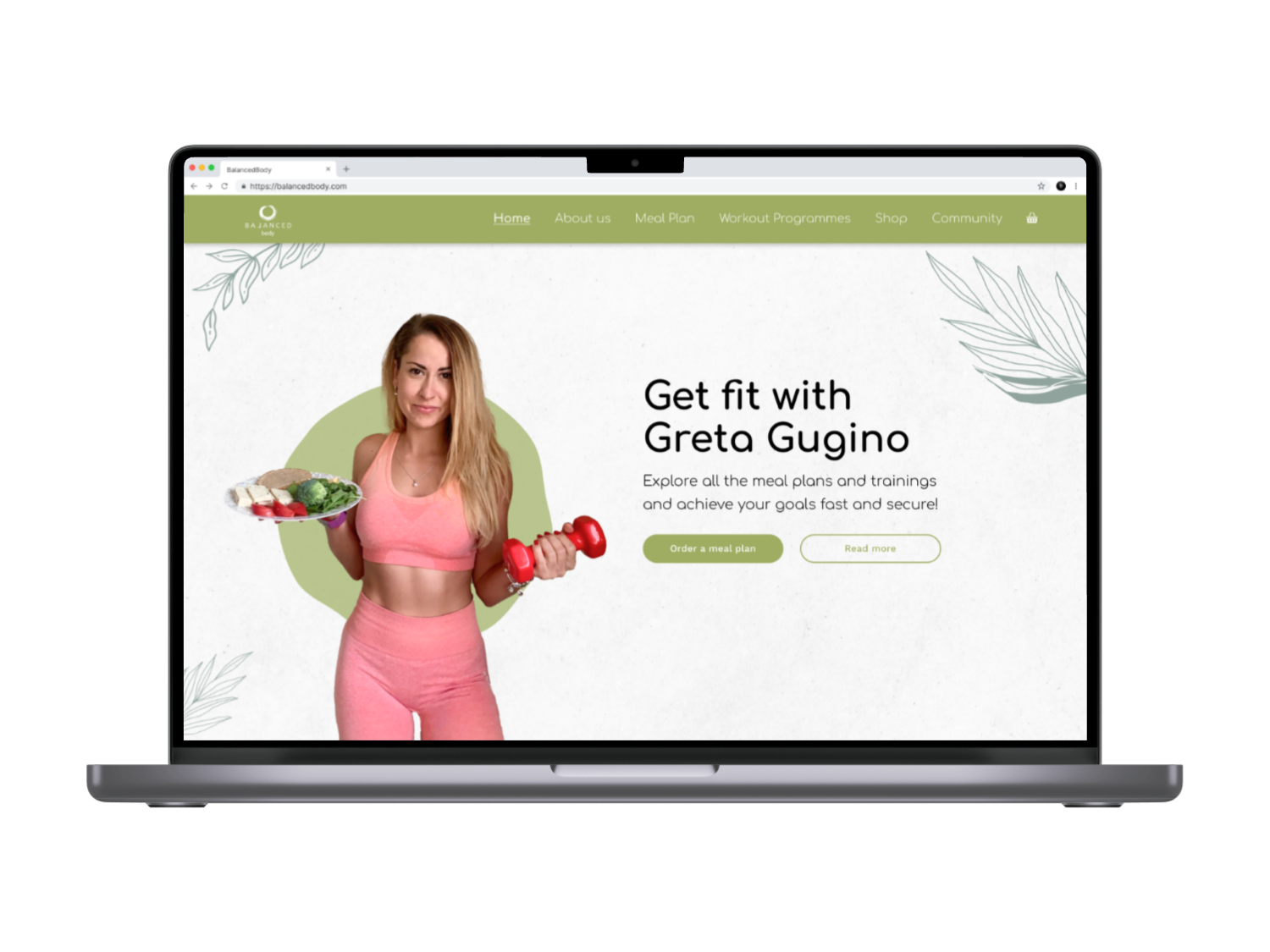
BalancedBody is a healthy lifestyle company based in Bulgaria. The main service it offers is to provide customers with personalized meal- and workout plans, tailored to one’s individual needs and wishes, and private consultations from a certified specialist in Fitness Nutrition by ISSA, USA (ISSA, n.d.), called Greta Gugino.
The company already has a Bulgarian website, however, it currently fails to effectively communicate the company's values, provide a seamless browsing experience, and foster community engagement. The website has to become more user-friendly and intuitive, in order to keep the company’s clients engaged and satisfied.
The main goal of this website will be to provide its users with in-depth information about Balanced Body’s services in a clean and straight-forward manner, where the potential client will feel supported already from the beginning of their journey to leading a better and healthier life.
The process
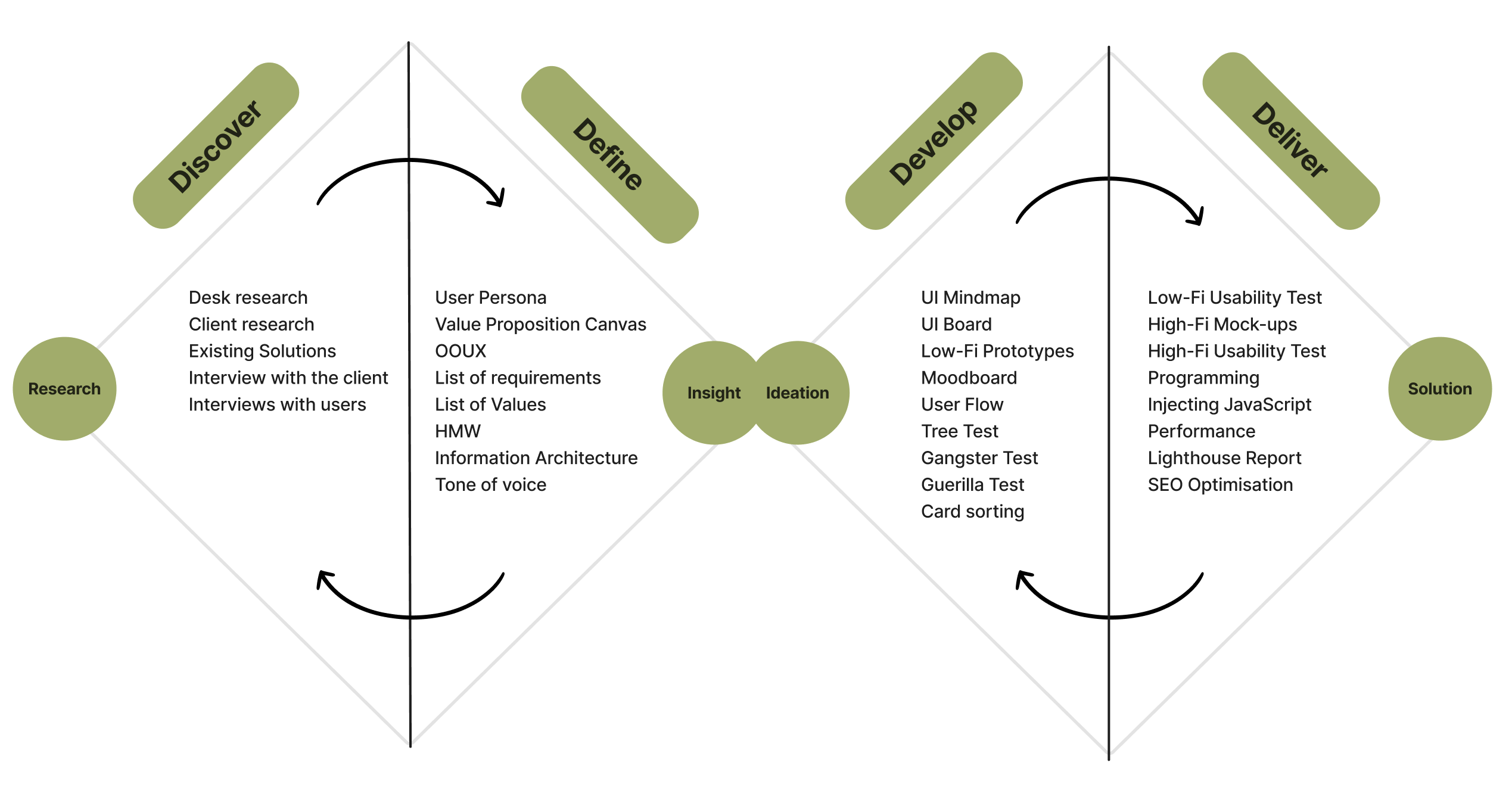
For the purpose of this project, the Double Diamond Framework has been chosen to structure the thoughts and enhance the creative process.
Research and Analysis
Conducting comprehensive user research to understand the pain points and requirements. This involved surveys, interviews, and competitive analysis to gather valuable insights.
Wireframing and Prototyping
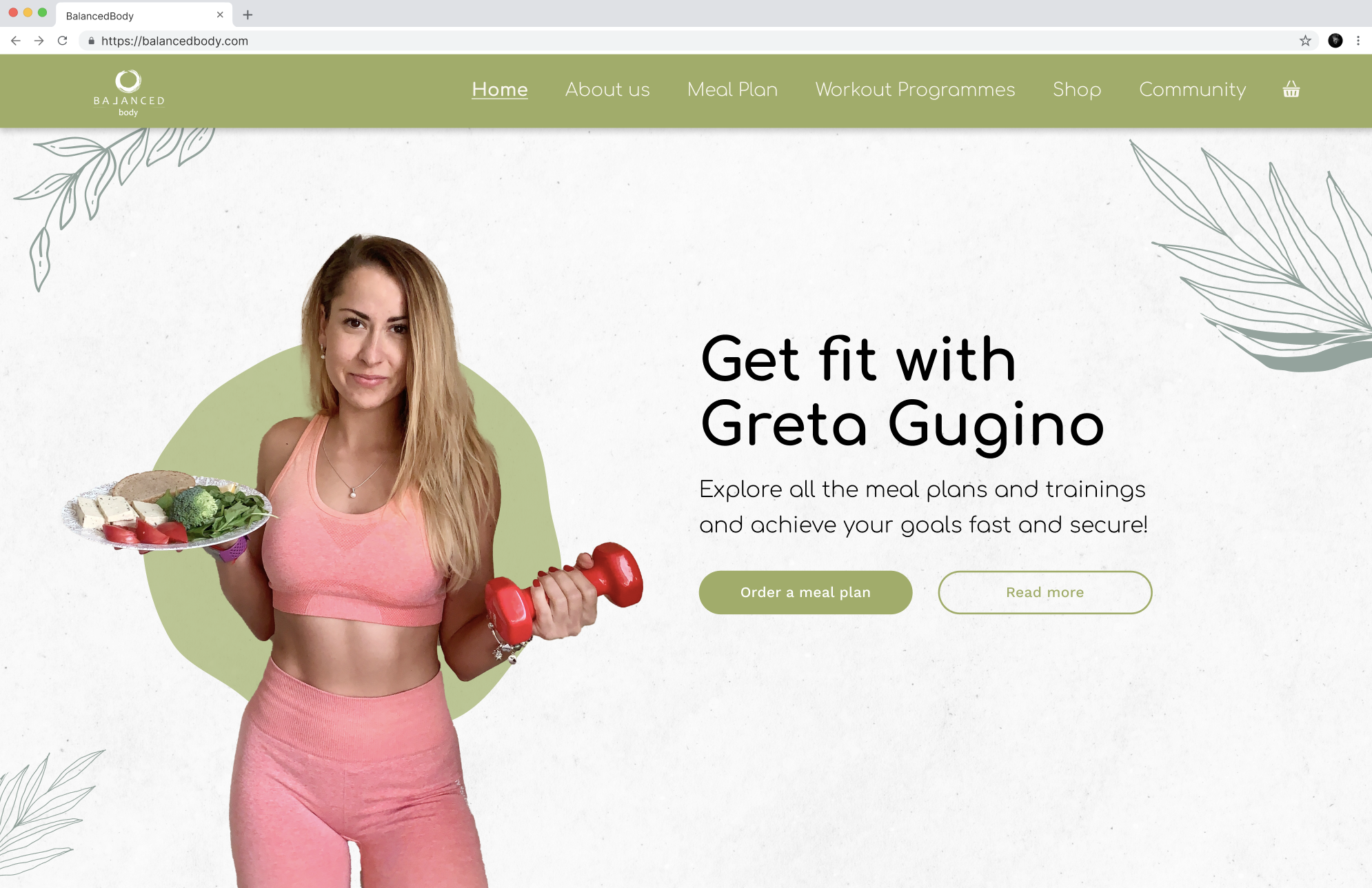
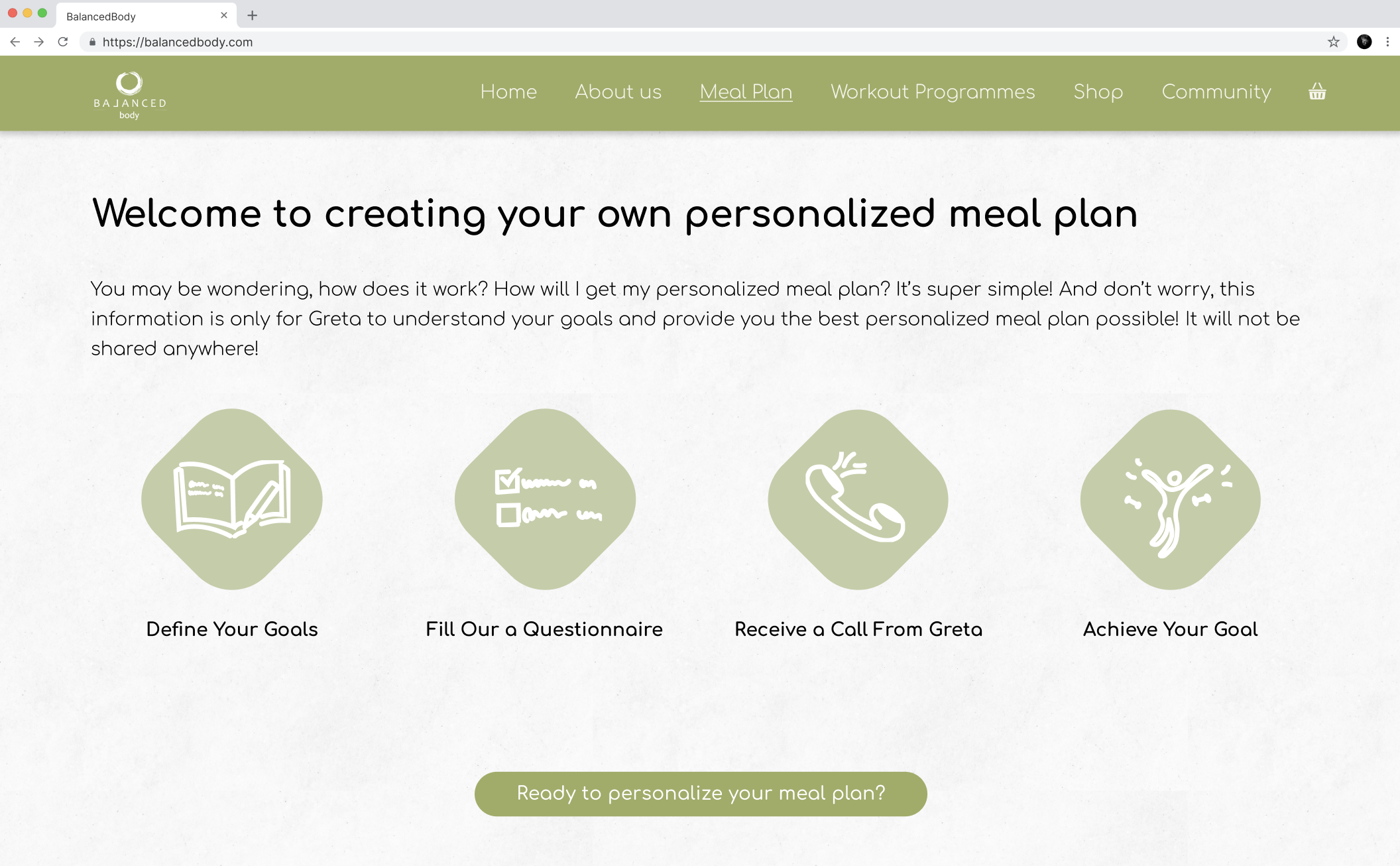
Creating wireframes and prototypes to visualize the website's structure and functionality. This step allowed for early user feedback and iterative improvements to the design.
UI Design and User Testing
Designing the user interface with a focus on aesthetics and usability. Conducting user testing sessions to validate the design and ensure it meets user expectations before finalizing the product.
Mission, Vision & Values
01. Mission
Balanced Body’s mission is to help more people realize the power of food and exercise. This is particularly relevant in today’s world, since individuals often prioritize work over their overall health and well-being.
02. Vision
Balanced Body’s vision is to expand its audience and reach out to more people in order to create a community for its members, while helping them achieve their goals and maintain a healthy lifestyle, by building sustainable health habits.
03. Values
Authenticity, due to the personal connections with clients
and avoidance of promoting “quick fixes”.
Compassion, in terms of approaching each client with
empathy and understanding of their unique challenges and goals.
Education by emphasizing the importance of knowledge and
education in making informed decisions about health and wellness.
Findings
The combination from both the Think Aloud sessions and the online survey provided valuable data on user expectations and preferences for websites like BalancedBody. The insights were organized into an Affinity diagram in a table format to visually represent user preferences, frustrations, and motivations.
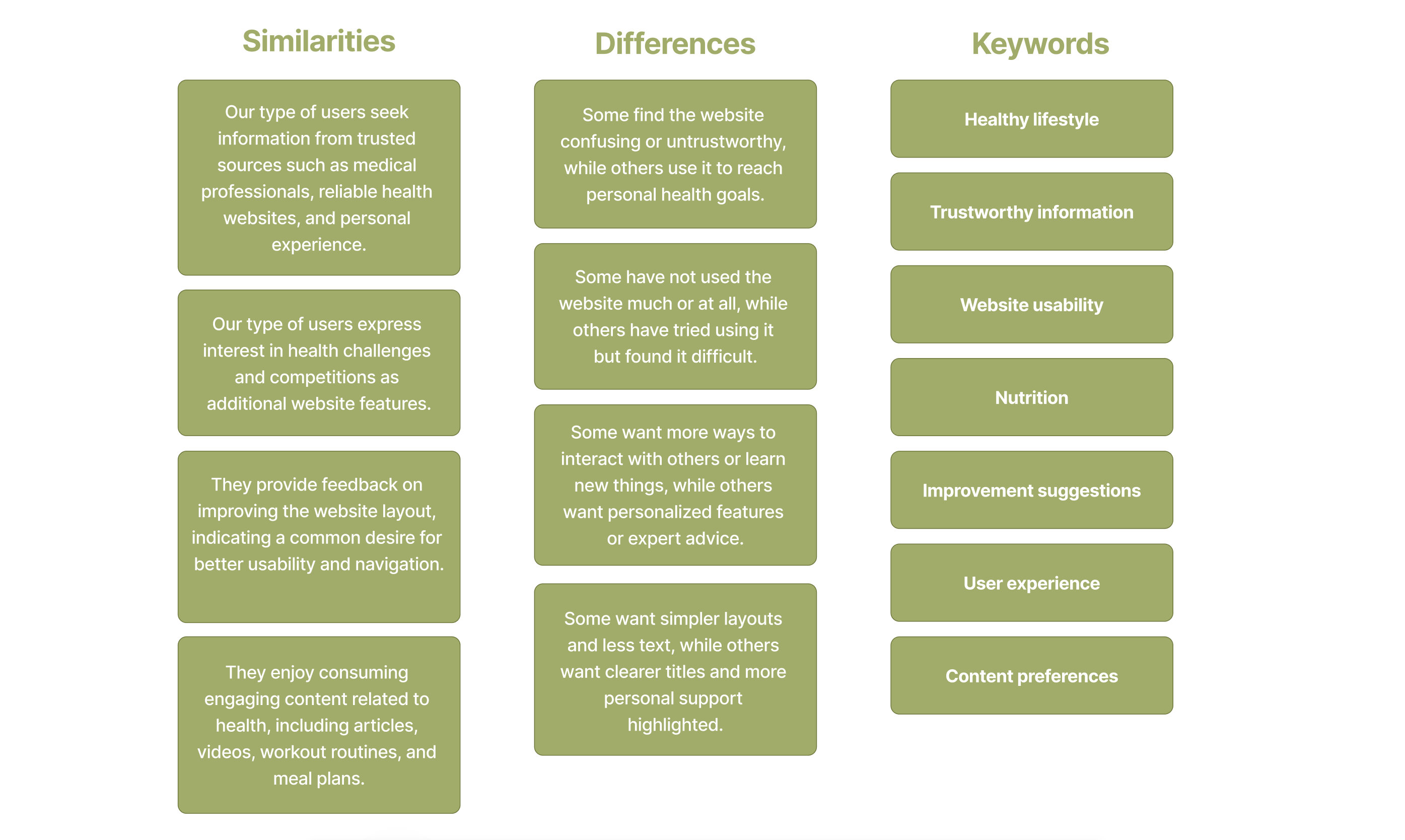
The findings were then categorized into similarities, differences, and key insights identified during the research process. Additionally, keywords highlighting important observations were included.
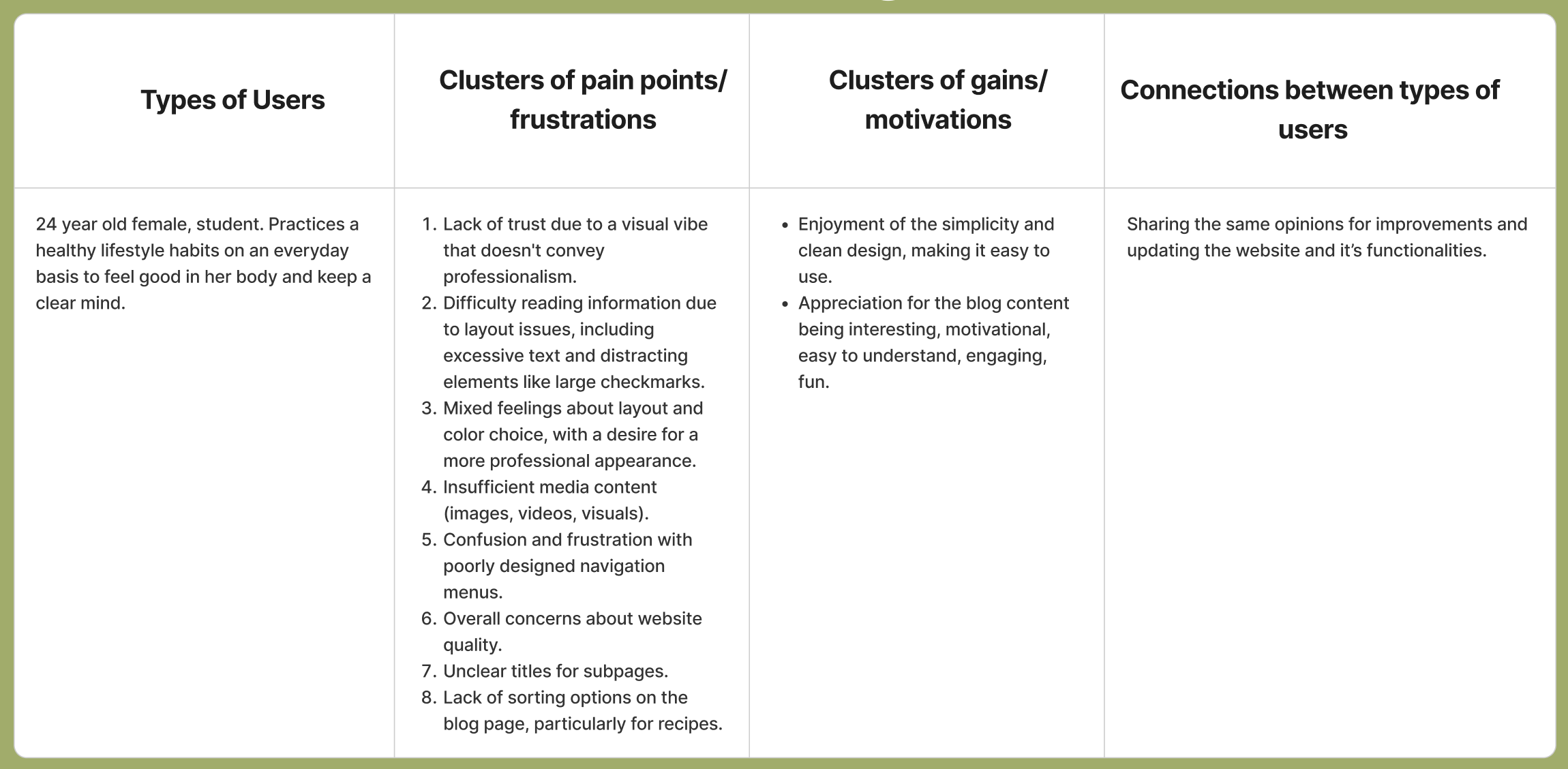
This organized approach enables our team to effectively analyze the research findings to improve the Balanced Body website and the overall experience while using it.
User Persona
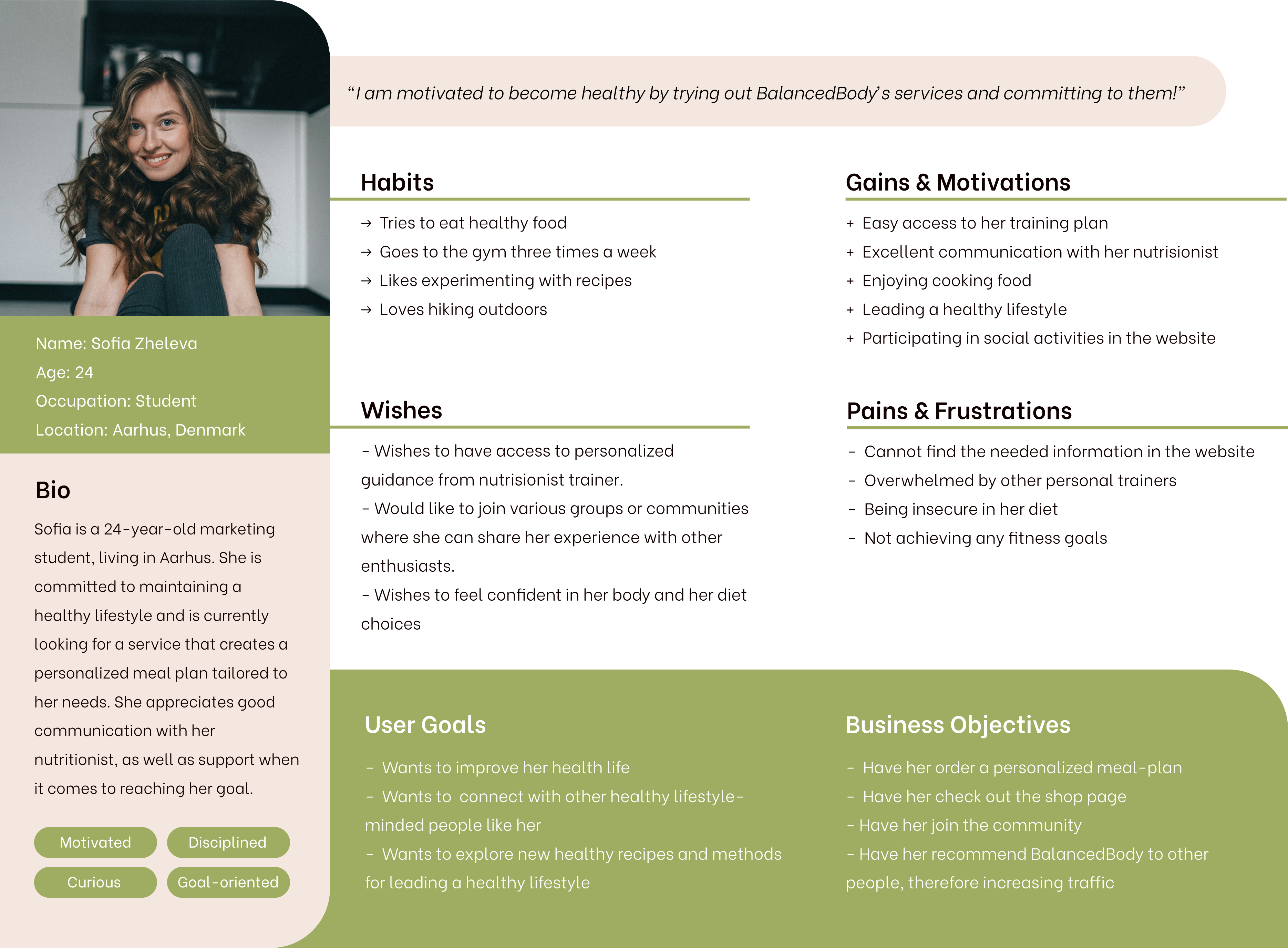
Meet Sofia Zheleva, a 24-year-old marketing student living in Aarhus. Sofia is motivated to work on her health by trying out BalancedBody's services and committing to them. Her gains by doing this would be benefiting for her ease of use of the website and becoming more healthy. She is frustrated to find the needed information in the website, which goes to show the importance of a good layout to find the necessary and important information easily.
Information Architecture
Sitemap
Sketching
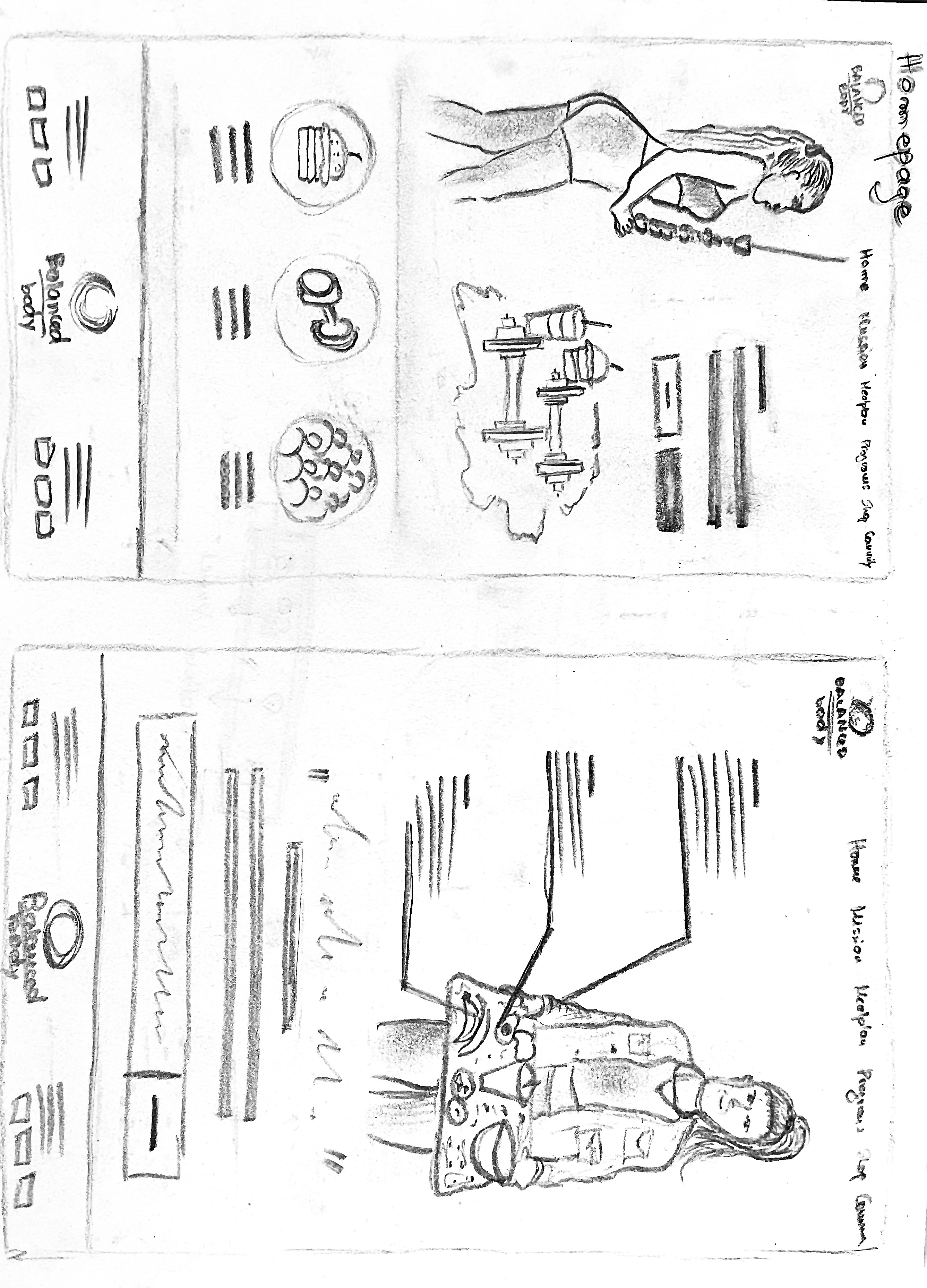
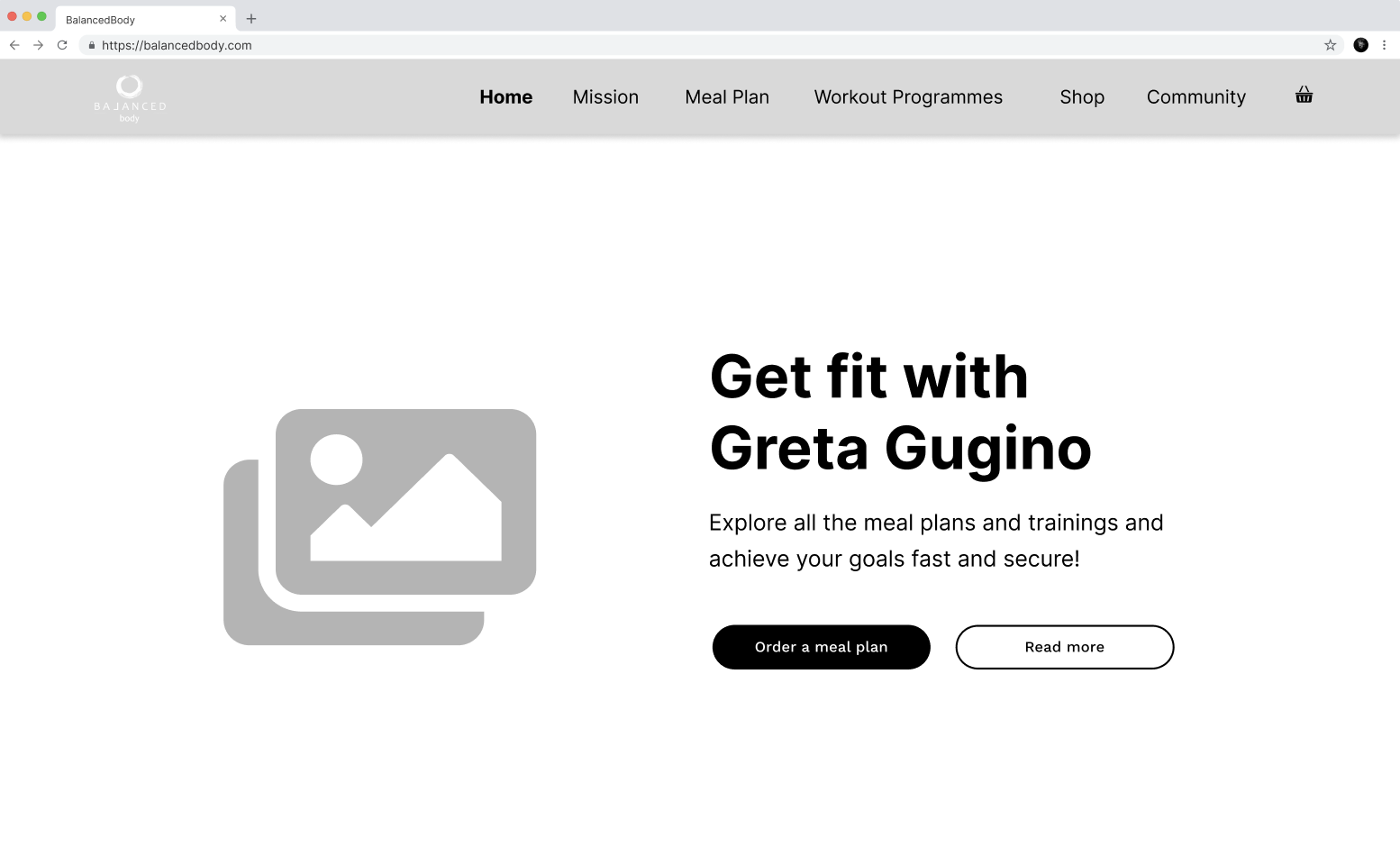
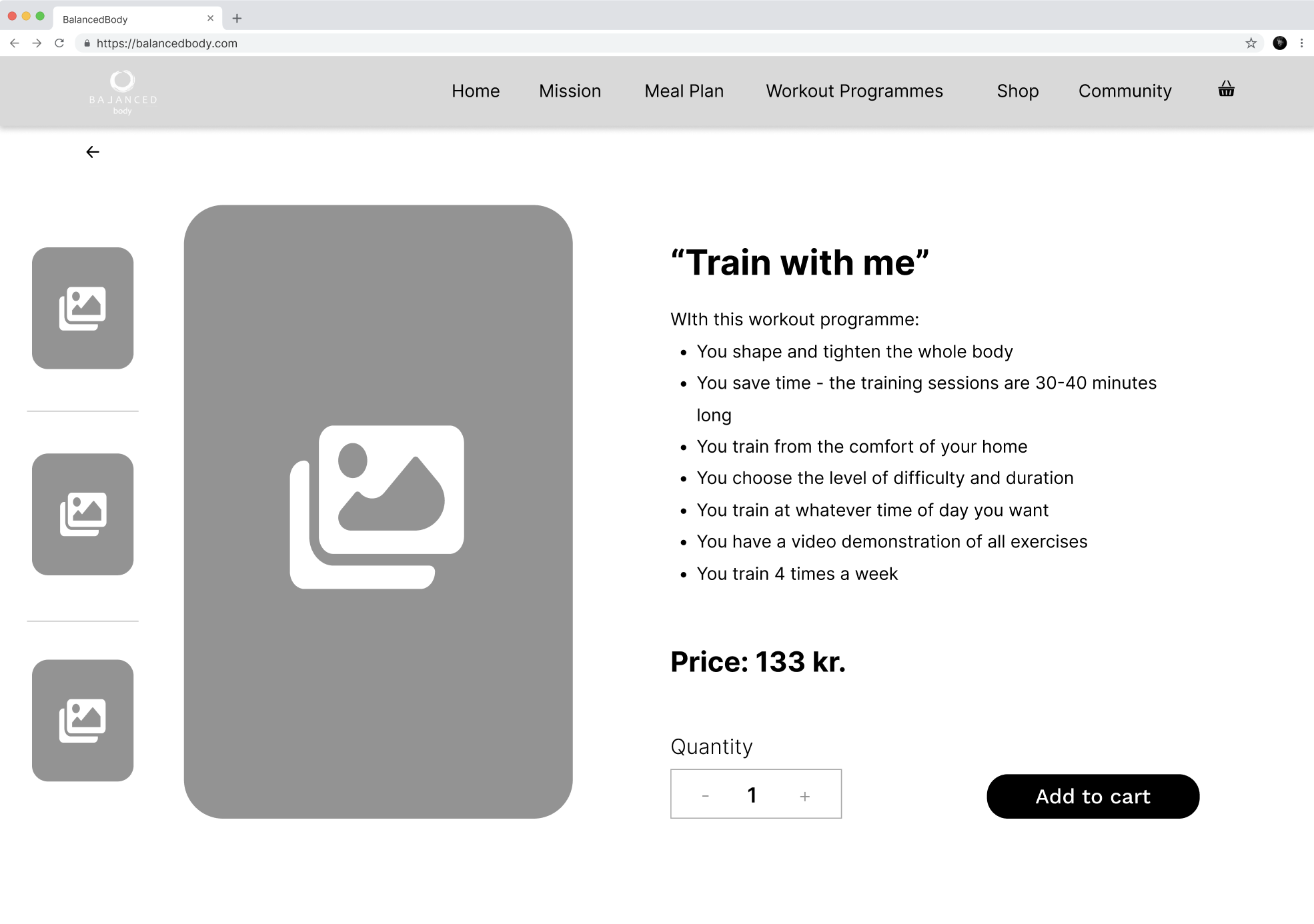
As the next step, the entire solution in detail was sketched, incorporating ideas from the previous phase. Elements from the List of Requirements were integrated and focused on user navigation and interaction.
Low-Fidelity Prototypes
High-Fidelity Prototypes
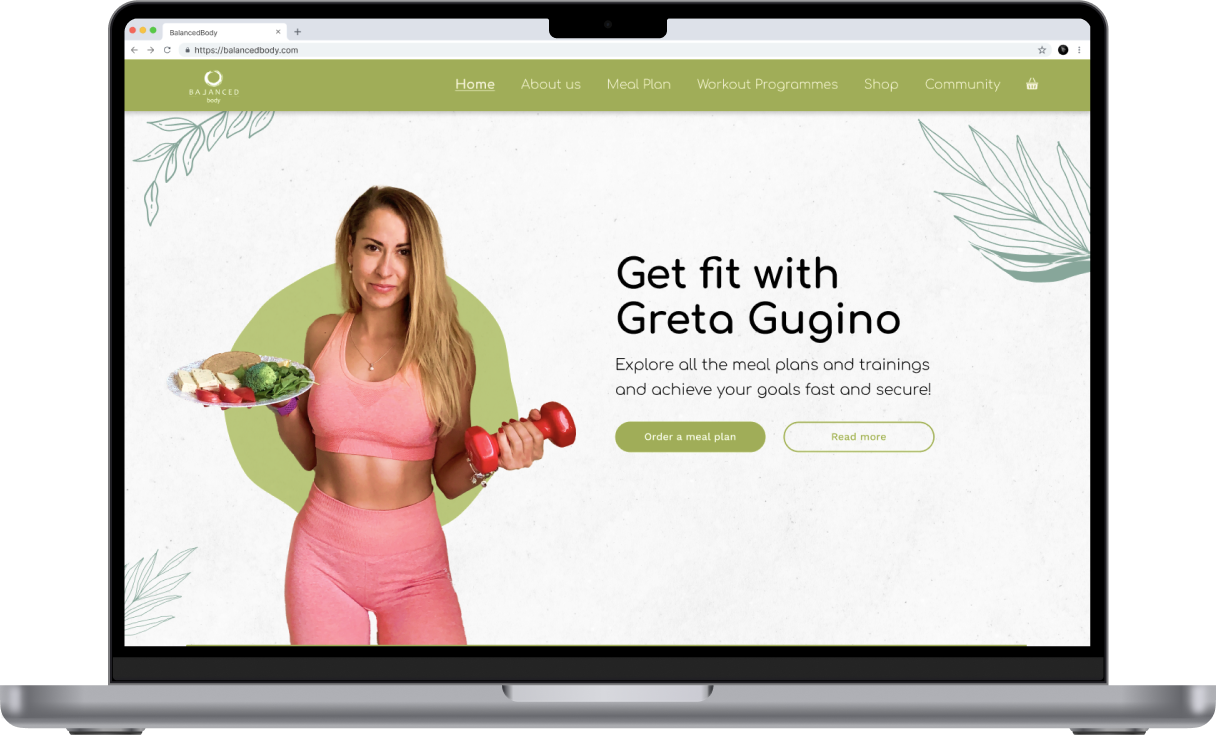
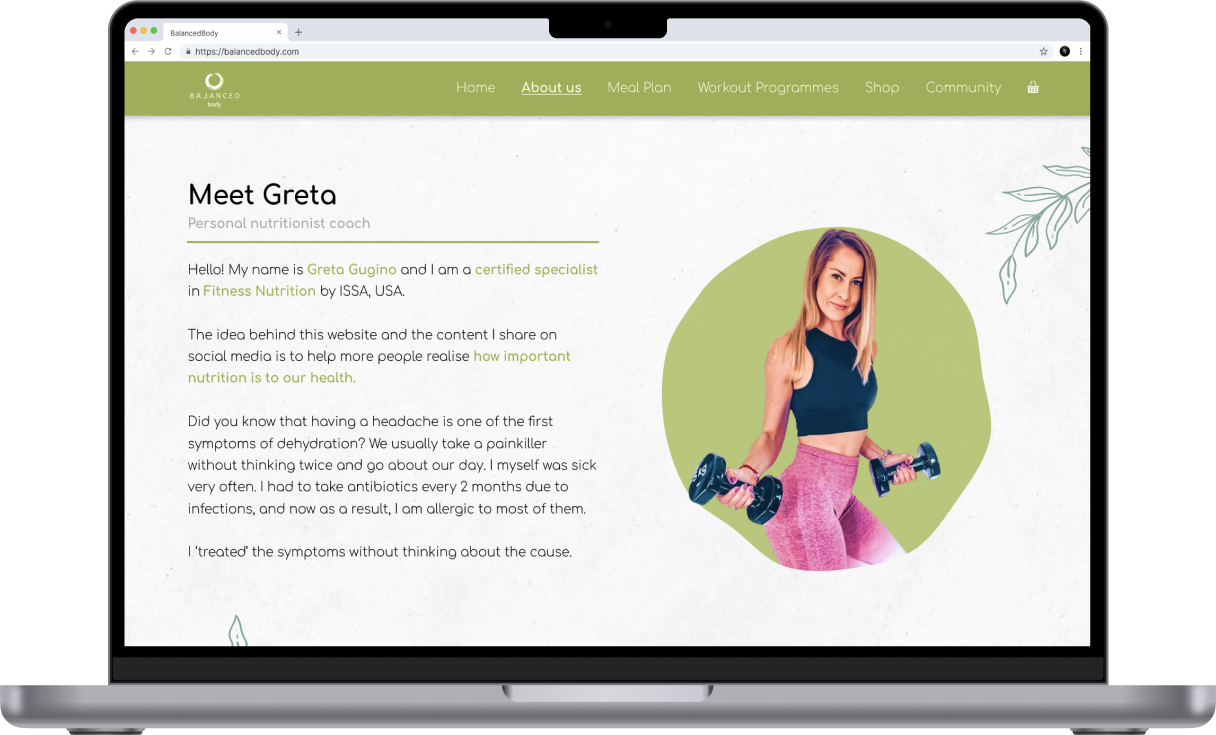
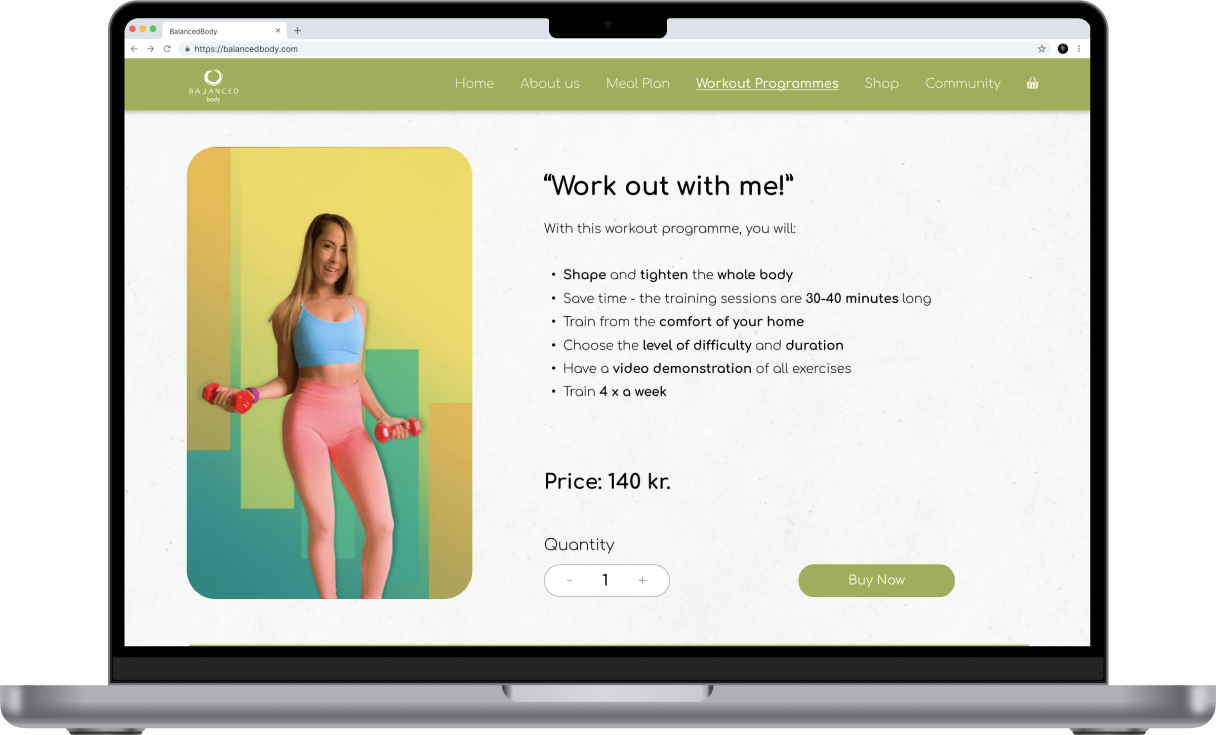
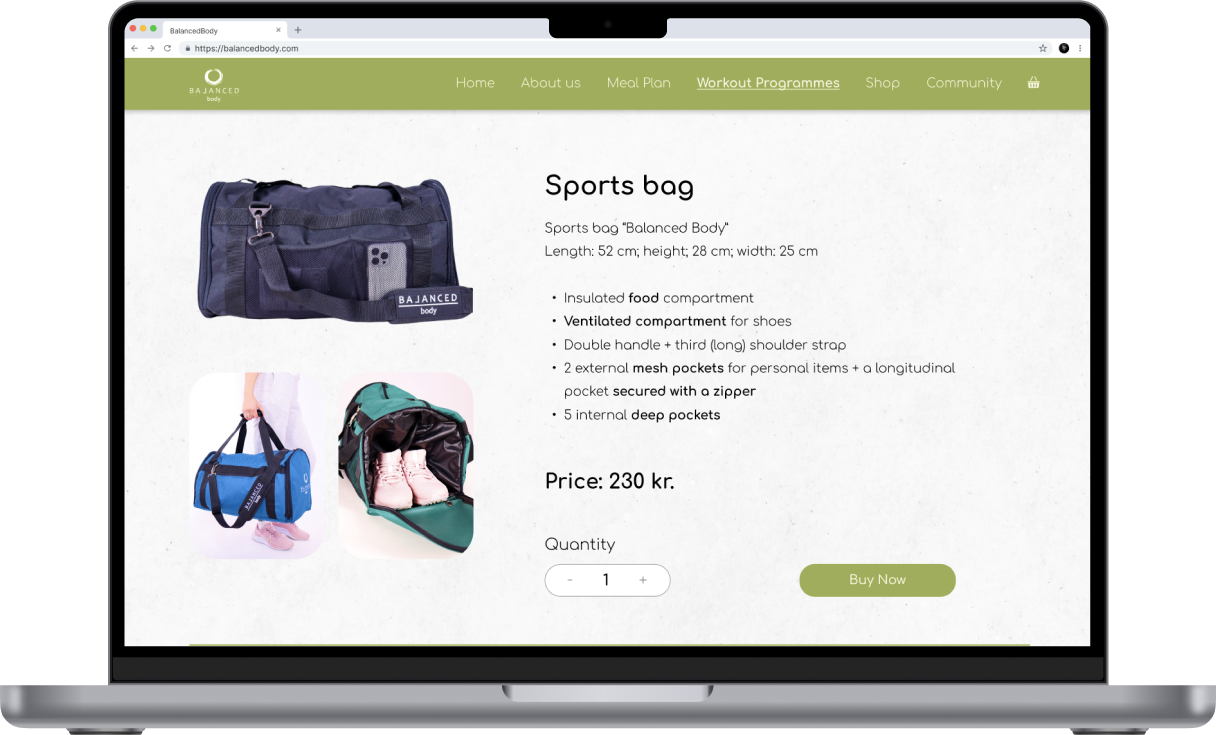
Final Prototype
Brand Identity
Testing
As we conducted three rounds of usability testing during both early and late stages of our product development, we employed tree testing, card sorting, and think-aloud tests. These methodologies enabled us to uncover common usability patterns among our testers, providing valuable insights for optimizing the user experience. From these insights, we iteratively refined our lo-fi wireframes, hi-fi prototypes, and ultimately the coded solution, ensuring each phase of development effectively addressed user needs and expectations.
Key Learnings
The Importance of User Research
During this project, I realized the critical importance of thorough user research. By conducting detailed user interviews, surveys, and usability testing, I was able to gain deep insights into the users' needs, pain points, and preferences. This helped in creating a user-centered design that significantly improved user satisfaction and engagement.
Iterative Design Process
The iterative design process proved to be a game-changer in this project. By continuously prototyping, testing, and refining the design, I was able to identify and address issues early and often. This approach not only enhanced the final product's usability but also saved time and resources in the long run.
Collaboration and Communication
This experience highlighted the significance of teamwork and clear communication in UX/UI design. It taught me the value of diverse perspectives and the need for transparent, consistent dialogue throughout the project lifecycle. This learning has strengthened my ability to work collaboratively and advocate for user-centered design within multidisciplinary teams.